Hickman Consulting Services, LLC
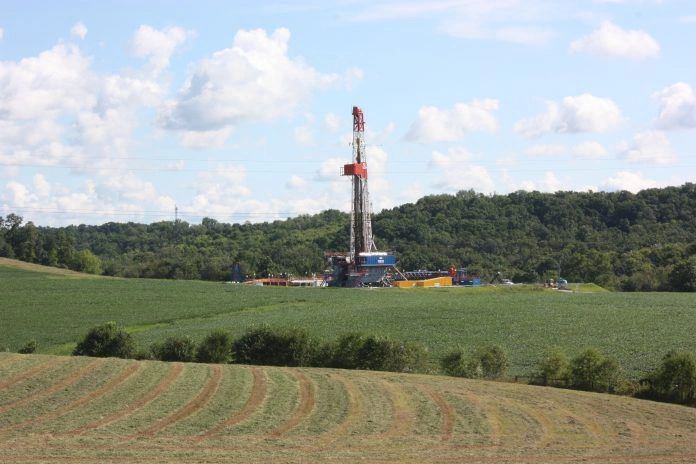
Mineral rights West Virginia property owners hold can be far more valuable than many people realize. With the state’s long-standing role in coal, oil, and natural gas production, mineral ownership continues to play a major role in land value, inheritance, and long-term financial planning.
Whether you currently own land, inherited property, or were contacted by an energy company, understanding mineral rights in West Virginia is essential before making any decisions.
What Are Mineral Rights in West Virginia?
Mineral rights give the owner legal control over underground resources such as:
• Oil
• Natural gas
• Coal
• Other subsurface minerals
In West Virginia, mineral rights are often separate from surface rights. This means the person who owns the land does not always own the minerals beneath it.
This separation is common due to decades of mining and energy development across the state.
Why Mineral Rights Are Often Separate From the Land
In many parts of West Virginia, mineral rights were sold or reserved decades ago. These rights were then passed down through families, sometimes without clear documentation or communication between heirs.
As a result:
• Surface owners may not control drilling
• Mineral owners may not know they own rights
• Multiple heirs may share fractional interests
This creates confusion and, in some cases, lost income.
Inherited Mineral Rights in West Virginia
A large number of mineral rights West Virginia owners hold today come from inheritance. Unfortunately, mineral interests are often overlooked during probate or estate planning.
Common inheritance-related issues include:
• Missing or unknown heirs
• Undivided ownership among family members
• Outdated or handwritten deeds
• Incomplete estate settlements
Even small inherited mineral interests can have value, especially if production is active or planned nearby.
Leasing vs. Selling Mineral Rights
One of the most important decisions mineral owners face is whether to lease or sell.
Leasing mineral rights
• You keep ownership
• You receive royalty payments
• Income continues as long as production exists
Selling mineral rights
• Ownership transfers permanently
• You receive a one-time payment
• No future royalties
Many owners sell without fully understanding long-term value or current market conditions.
How Mineral Rights Are Valued
The value of mineral rights West Virginia owners hold depends on several factors, including:
• Location of the minerals
• Type of resource
• Active or nearby production
• Market demand
• Title clarity
• Lease terms
Two mineral tracts of similar size can have dramatically different values depending on these details.
Common Title Problems in West Virginia
West Virginia mineral titles are known for being complex. Some of the most common issues include:
• Conflicting ownership records
• Poor legal descriptions
• Unrecorded transfers
• Missing probate documentation
• Fractional ownership disputes
Title issues can delay leasing, reduce sale value, or prevent transactions altogether if not resolved properly.
Dealing With Energy Companies
Energy companies work with mineral rights every day—and they negotiate accordingly. Offers may sound appealing, but terms can significantly affect long-term income.
Before signing anything, mineral owners should understand:
• Royalty percentages
• Post-production deductions
• Lease duration
• Renewal and extension clauses
• Pooling and unitization language
Once an agreement is signed, it can be very difficult to change.
Why Professional Guidance Matters
Mineral rights West Virginia owners benefit greatly from working with professionals who understand local laws, title history, and market conditions.
Professional assistance can help with:
• Ownership verification
• Title research
• Fair market valuation
• Lease and sale review
• Negotiation support
This guidance helps owners avoid costly mistakes and protect long-term value.
Learn More About Mineral Rights in West Virginia
For more detailed, West Virginia–specific information, visit the resource below:
http://dlvr.it/TQPgJ4
Final Thoughts
Mineral rights West Virginia property owners hold are not just legal documents—they’re valuable assets. Whether inherited or purchased, understanding your rights before leasing or selling can protect your financial future.
Taking the time to learn what you own, confirm title, and evaluate value can make a meaningful difference for you and your family.


Comments
Post a Comment